DEEPAVALI ADDED TO UNESCO’S INTANGIBLE CULTURAL HERITAGE LIST
What happened?
- Deepavali (Diwali) has been officially added to UNESCO’s Intangible Cultural Heritage List.
- The announcement was made at the 20th UNESCO Intergovernmental Committee meeting held at the Red Fort, New Delhi (8–13 December 2025).
- With this, Deepavali becomes India’s 16th element on the UNESCO list.
- This decision was made in the presence of delegates from 194 countries, experts, and representatives of the UNESCO ICH network.
LIST OF INTANGIBLE CULTURAL HERITAGE FROM INDIA
The following list includes the 15 elements previously inscribed, plus the latest addition of Deepavali:
- Vedic Chanting (2008)
- Ramlila, the traditional performance of the Ramayana (2008)
- Koodiyattam, Sanskrit theatre, Kerala (2008)
- Ramman, religious festival and ritual theatre of the Garhwal Himalayas, Uttarakhand (2009)
- Mudiyettu, ritual theatre and dance drama of Kerala (2010)
- Kalbelia folk songs and dances of Rajasthan (2010)
- Chhau Dance (2010)
- Buddhist chanting of Ladakh: Recitation of sacred Buddhist texts in the Trans-Himalayan region of Jammu and Kashmir (2012)
- Sankirtana, ritual singing, drumming and dancing of Manipur (2013)
- Traditional brass and copper craft of utensil making among the Thatheras of Jandiala Guru, Punjab (2014)
- Navruz (shared multinational inscription, 2016)
- Yoga (2016)
- Kumbh Mela (2017)
- Durga Puja in Kolkata (2021)
- Garba of Gujarat (2023)
- Deepavali (2025)
WHY IS THIS IMPORTANT?
Deepavali is not just a festival. It is a living tradition, passed from one generation to another. It joins the UNESCO list because it supports:
- Social unity
- Shared cultural values
- Community participation
- Continuity of traditions
PM Narendra Modi appreciated the decision and said that Deepavali represents the soul of Indian civilisation.
HOW DOES AN ELEMENT GET ON THE LIST?
- Countries must prepare and submit a nomination dossier.
- Each country can send only one nomination every two years.
- India nominated Deepavali for the 2024–25 cycle.
THE NOMINATION PROCESS
For the UNESCO nomination:
- Sangeet Natak Akademi formed an expert committee of scholars, artists, practitioners.
- Consultations were held across India — cities, villages, mountains, coasts.
- Communities involved:
- Artisans
- Farmers
- Religious groups
- Indigenous groups
- Transgender communities
- Diaspora groups
People shared their personal stories, memories, rituals, and cultural meanings of Deepavali. This proved that Deepavali is a true community-driven living tradition.
BACKGROUND: UNESCO & INTANGIBLE CULTURAL HERITAGE
- UNESCO adopted the 2003 Convention on Intangible Cultural Heritage in Paris.
- This convention protects living traditions that are at risk due to:
- Globalisation
- Social and economic changes
- Declining traditional skills
- Lack of documentation
Deepavali inclusion shows global recognition of India’s cultural strength.
WHAT LEADERS SAID?
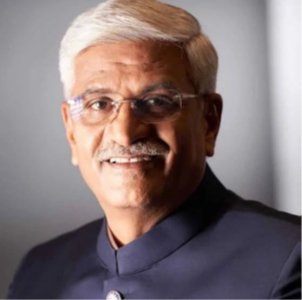
Union Culture & Tourism Minister Gajendra Singh Shekhawat said:
- The honour belongs to every home that lights a diya.
- Deepavali’s message of hope and harmony is universal.
- Recognition also brings responsibility to preserve the festival for the future.
The Ministry of Culture said the decision will help increase world awareness of India’s cultural traditions.
ABOUT DEEPAVALI
When is it celebrated?
- On Kartik Amavasya (October–November).
Main idea
Deepavali celebrates:
- Light defeating darkness
- Good winning over evil
- Prosperity, new beginnings, unity
Why people love Deepavali
- It brings families and communities together.
- It spreads positivity, hope, and joy.
- It strengthens cultural bonds across regions and religions.
POPULAR LEGENDS LINKED TO DIWALI
Deepavali has many stories because India is diverse. Some famous ones:
1. Return of Lord Rama (Ramayana)
- Rama, Sita, and Lakshmana returned to Ayodhya after 14 years. People lit lamps to welcome them.
2. Return of the Pandavas (Mahabharata)
- The Pandavas returned from exile.
3. Krishna and Narakasura
- Celebrated as Naraka Chaturdashi, marking the defeat of the demon Narakasura.
4. Goddess Lakshmi’s arrival
- People believe Lakshmi visits clean, well-lit homes.
5. Mahavira’s Nirvana (Jain tradition)
- Lord Mahavira attained Nirvana at Pavapuri. Jains celebrate Deepavali as Nirvana Day.
6. Tripurasura and Lord Shiva
- Shiva destroyed the demon Tripurasura with a single arrow. Celebrated in some regions as Dev Deepavali.
7. King Bali’s return (Maharashtra)
- Symbol of justice and generosity.
8. Kali Puja (Bengal, Assam, Odisha)
- People worship Goddess Kali.
9. Govardhan/Annakut
- Marks Krishna lifting Govardhan Hill.
HOW IS DEEPAVALI CELEBRATED?
1. Dhanteras
- Buying metal items or essentials for good luck.
2. Naraka Chaturdashi
- Rituals for removing negativity and welcoming light.
3. Deepavali / Lakshmi-Ganesha Puja
- Main day. Homes glow with lamps, rangoli, sweets and prayers.
4. Govardhan Puja / Padwa
- Visits, gift exchanges, family gatherings.
5. Bhai Dooj
- Celebration of the bond between brothers and sisters.
SOCIO ECONOMIC IMPORTANCE OF DIWALI
1. Supports livelihoods
Huge boost for:
- Potters
- Lantern makers
- Florists
- Sweet makers
- Decorators
- Textile workers
- Small businesses
Deepavali creates large seasonal employment.
2. Community welfare
Many groups organise:
- Food donation
- Charity events
- Visits to old-age homes
- Support for people with disabilities
3. Environment & health initiatives
- Promotion of green crackers (CSIR-NEERI).
- Cleanliness drives: Swachh Diwali – Shubh Diwali.
- Home and market cleaning supports good hygiene habits.
4. Contribution to SDGs
Deepavali links to Sustainable Development Goals by supporting:
- Poverty reduction
- Gender equality (crafts, participation)
- Well-being
- Cultural education
Note: Connect with Vajirao & Reddy Institute to keep yourself updated with latest UPSC Current Affairs in English.
Note: We upload Current Affairs Except Sunday.
The post DEEPAVALI ADDED TO UNESCO’S INTANGIBLE CULTURAL HERITAGE LIST appeared first on Vajirao IAS.