BIOMATERIALS
Why in Focus?
- Countries are shifting towards cleaner and low-carbon manufacturing for plastics, textiles, and consumer products.
- Biomaterials are emerging as a key alternative to fossil-based materials.
- For India, indigenous biomaterials can reduce import dependence, support farmers, and help meet climate and waste reduction goals.
WHAT ARE BIOMATERIALS?
- Biomaterials are materials that are derived fully or partly from biological sources or are engineered using biological processes.
- They are designed to replace or interact with conventional materials, especially petroleum-based ones.
- Biomaterials are increasingly used in packaging, textiles, construction, healthcare, and consumer goods.
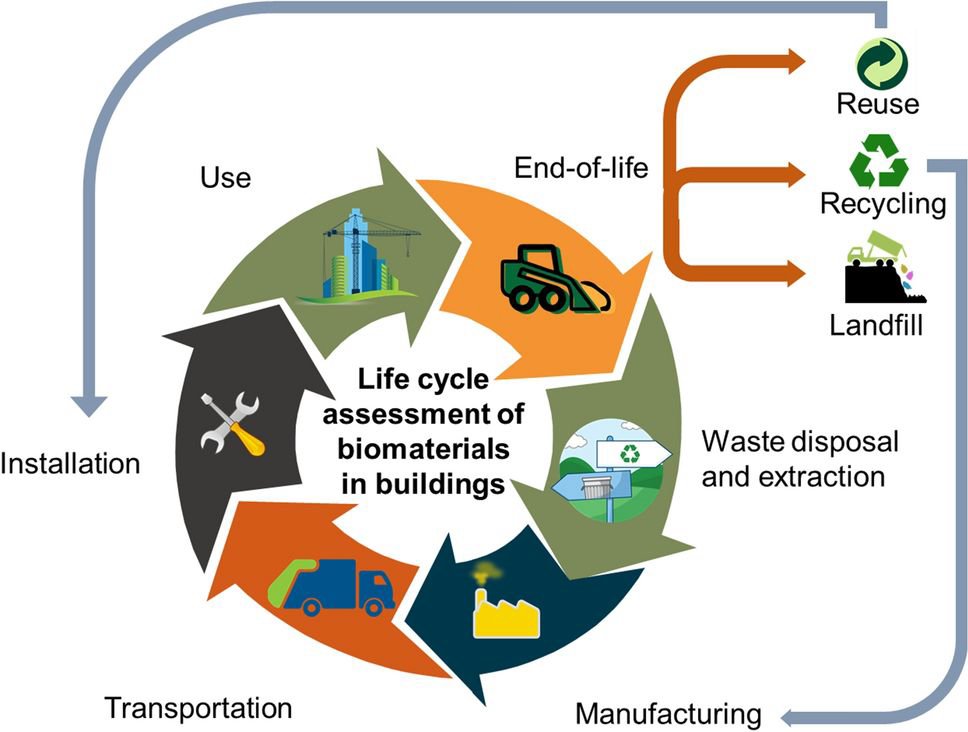
TYPES OF BIOMATERIALS
1. Drop-in Biomaterials
- These are chemically identical to fossil-based materials.
- They can be used in existing manufacturing systems without major changes.
- Example: Bio-PET (used in bottles and packaging).
2. Drop-out Biomaterials
- These are chemically different from petroleum materials.
- They require new processing methods or new end-of-life systems.
- Example: Polylactic Acid (PLA), which needs industrial composting.
3. Novel Biomaterials
- These offer new properties not found in conventional materials.
- Examples include self-healing materials, bioactive medical implants, and advanced bio-composites
- They open new possibilities in healthcare, defence, and advanced manufacturing.
WHY DOES INDIA NEED BIOMATERIALS?
- India depends heavily on fossil-based imports for plastics, chemicals, and materials.
- Indigenous biomaterials can reduce import bills and improve energy security.
- They provide new income sources for farmers by using agricultural crops and residues beyond food markets.
- Biomaterials align with India’s goals of:
- Banning single-use plastics,
- Reducing waste,
- Meeting climate action commitments,
- Remaining competitive in global export markets where low-carbon products are preferred.
CURRENT STATUS OF BIOMATERIALS IN INDIA
- India’s biomaterials sector is rapidly emerging, especially in bioplastics and biopolymers.
- The Indian bioplastics market was valued at around $500 million in 2024 and is expected to grow strongly.
- Major developments include:
- Balrampur Chini Mills’ PLA plant in Uttar Pradesh, one of India’s largest investments in this sector.
- Startups like Phool.co, which converts temple flower waste into biomaterials.
- Praj Industries, which is developing a demonstration-level bioplastics plant.
- Despite strong agricultural capacity, India still depends on foreign technologies in some stages of converting biomass into finished materials.
HOW WILL BIOMATERIALS REDUCE FOSSIL BASED IMPORT DEPENDANCE?
- They replace petroleum-based plastics and chemicals with bio-derived alternatives.
- They use domestic agricultural feedstocks such as sugarcane, maize, and crop residues.
- They help shift India from being an importer of materials to a producer of bio-based value-added products.
- Over time, this strengthens industrial self-reliance and supply-chain resilience.
CHALLENGES IN SCALING BIOMATERIALS IN INDIA
- Feedstock competition may arise if demand increases faster than agricultural productivity
- Intensive farming for biomass could cause water stress and soil degradation.
- Weak waste-management and composting infrastructure may limit environmental benefits.
- Fragmented policy coordination between agriculture, environment, and industry can slow progress
- Delays in scaling could make India dependent on imports, while other countries move ahead faster.
WAY FORWARD FOR INDIA
- Expand biomanufacturing infrastructure, especially fermentation and polymerisation capacity.
- Improve feedstock productivity using advanced agricultural and biotech methods.
- Invest more in research and development, especially for novel biomaterials.
- Establish clear regulatory definitions, labelling rules, and end-of-life pathways such as recycling or industrial composting.
- Use government procurement, time-bound incentives, and pilot projects to reduce early investment risks.
- Promote shared facilities and demonstration plants to help startups and MSMEs scale faster.
CONCLUSION
- Biomaterials offer India a single pathway to achieve environmental sustainability, industrial growth, farmer welfare, and import reduction.
- India has strong natural and industrial advantages, but scaling infrastructure, policy coordination, and waste systems is critical.
- Timely action can position India as a global leader in bio-based materials, rather than a late adopter dependent on foreign technologies.
Note: Connect with Vajirao & Reddy Institute to keep yourself updated with latest UPSC Current Affairs in English.
Note: We upload Current Affairs Except Sunday.
The post BIOMATERIALS appeared first on Vajirao IAS.