HOW INDIA IS KEEPING ITS GAS SUPPLY STEADY?
India is maintaining a steady gas supply—both Natural Gas and Liquefied Petroleum Gas (LPG)—amid global disruptions and geopolitical tensions (specifically around the Strait of Hormuz) by employing a multi-pronged strategy that includes:
- Prioritizing households.
- Boosting domestic production.
- Diversifying import sources and
- Using emergency legal measures.
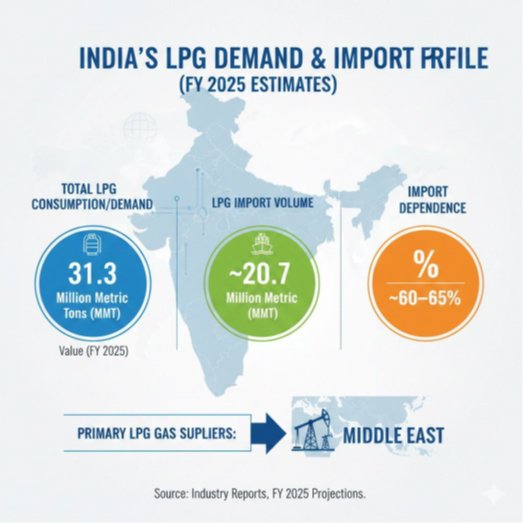
INDIA’S LPG IMPORT PROFILE
PRIORITIZING HOUSEHOLDS
- Household Priority: The government has prioritized cooking gas (LPG) and piped natural gas (PNG) for residential consumers above industrial users.
- Reduced Commercial Supply: To protect domestic needs, supply to commercial users like hotels, restaurants, and non-essential industries has been regulated or reduced.
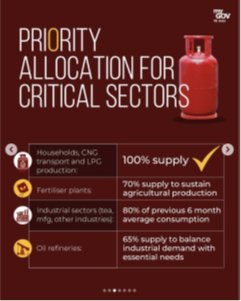
- Booking Restrictions: To prevent hoarding and panic buying, the minimum gap between LPG cylinder bookings has been increased from 21 days to 25 days.
- Anti-Hoarding Action: State governments are taking strict measures against hoarding to ensure uninterrupted supply.

BOOSTING DOMESTIC PRODUCTION
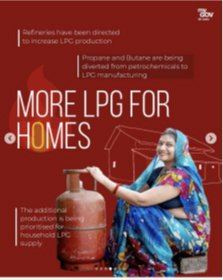
- Refinery Maximization: Refineries have been ordered to maximize LPG output, which has resulted in a roughly 25-28% increase in domestic production.
- Diversion of Streams: Refineries are instructed to divert propylene, butane, and propane streams—usually used for petrochemicals—exclusively to the LPG pool to ensure cooking gas availability.
DIVERSIFYING SOURCING ROUTES
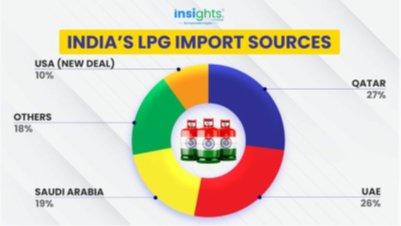
- Reducing Reliance on the Gulf: While a large portion of LPG traditionally comes from the Middle East, India is actively sourcing more LPG from alternative suppliers, including the United States, Norway, Canada, and Russia.
- Non-Hormuz Sourcing: India has increased its crude and LNG sourcing from countries outside the high-risk Strait of Hormuz area to over 70% of its total imports.
EMERGENCY MEASURES & POLICY REGULATION
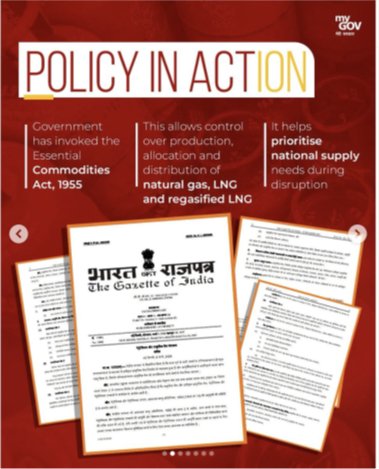
- Essential Commodities Act: The government has invoked the Essential Commodities Act of 1955 to regulate the distribution and prevent the misuse of LPG during the crisis.
- Natural Gas Control Order: A specific order was issued on March 9, 2026 to prioritize the allocation of natural gas to essential sectors.
- Alternative Fuel Usage: The government has permitted the use of alternative fuels (biomass, coal, kerosene) for the hospitality sector to free up LPG for households.
MONITORING & INFRASTRUCTURE STABILITY
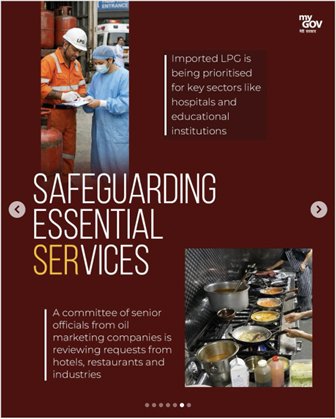
- Monitoring Committees: A three-member committee of executive directors from public sector oil companies (IOCL, HPCL, BPCL) reviews commercial demands and ensures fair distribution.
- Round-the-Clock Monitoring: The Ministry of Petroleum and Natural Gas is holding daily meetings with oil companies to monitor the situation.
- Stable Infrastructure: Major ports have been directed to provide priority berthing for LPG vessels, ensuring no backlog at the supply end.
CONCLUSION
These actions are designed to ensure that while industrial sectors may face temporary shortages, the over 33 crore household LPG connections in India continue to receive their supplies without disruption.
Note: Connect with Vajirao & Reddy Institute to keep yourself updated with latest UPSC Current Affairs in English.
Note: We upload Current Affairs Except Sunday.
The post HOW INDIA IS KEEPING ITS GAS SUPPLY STEADY? appeared first on Vajirao IAS.